
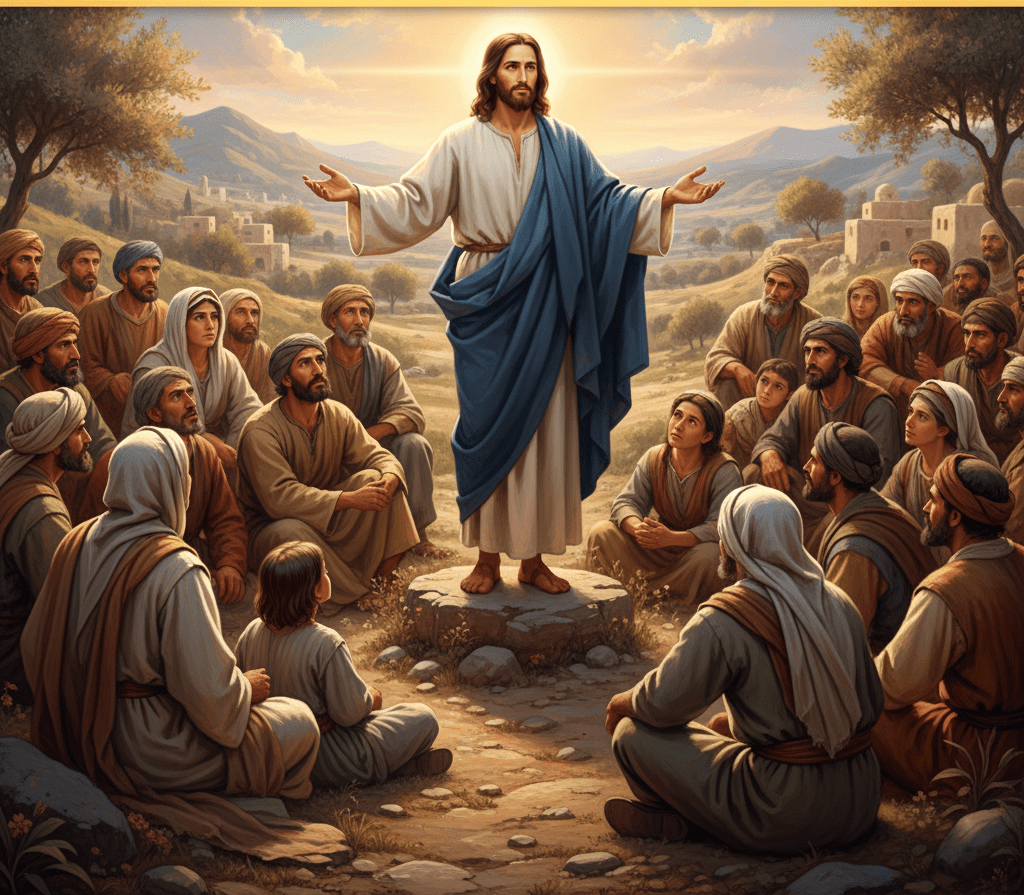
A modern philosophical rendering of Jesus’ earthly teachings concerning the love of His, and our, Father God (Elohim Yahweh), who is in the heavens. These teachings present practical and ethical ways to avoid lawlessness, offered for the sake of all our fellow brothers and sisters in the world we all share this life with together.
1. The Prodigal Son (Luke 15:11–32)
Risk failure to seek true connection; rigid perfection isolates. Forgiveness is greater than judgment. Resentment over others’ grace blinds you to abundance.
2. The Good Samaritan (Luke 10:25–37)
Morality is action, not identity. Compassion transcends boundaries. Real ethics demand helping strangers, even when inconvenient.
3. The Sower (Matthew 13:1–23)
What you nurture grows; what you ignore withers. Depth and persistence matter. Environment shapes potential.
4. The Mustard Seed (Matthew 13:31–32)
Small beginnings can transform the world. Patience and faith amplify tiny efforts. Big change is often quiet at first.
5. The Lost Sheep (Luke 15:3–7)
Everyone matters. Seeking and restoring the lost enriches the whole. Individual care strengthens the community.
6. The Talents (Matthew 25:14–30)
Fear limits potential. Growth comes from action and risk. Resources unused are opportunities wasted.
7. The Wheat and the Tares (Matthew 13:24–30, 36–43)
Don’t rush judgment. Imperfections coexist with the good. Time reveals truth, patience prevents arrogance.
8. The Rich Fool (Luke 12:16–21)
Accumulating without purpose is empty. Life’s value is contribution, not possession. Mortality reframes priorities.
9. The Ten Virgins (Matthew 25:1–13)
Preparation and vigilance define opportunity. Complacency is costly. Personal responsibility cannot be outsourced.
10. The Sheep and the Goats (Matthew 25:31–46)
Ethics are revealed in deeds, not labels. How you treat others reflects character. Action matters more than belief.
11. The Pharisee and the Tax Collector (Luke 18:9–14)
Humility beats self-righteousness. Awareness of flaws fosters growth. Moral progress begins with honesty about oneself.
12. The Workers in the Vineyard (Matthew 20:1–16)
Life’s rewards aren’t always proportional to effort. Envy clouds judgment. Acceptance of grace is wiser than rigid fairness.
13. The Pearl of Great Price (Matthew 13:45–46)
True value demands sacrifice. Pursue what resonates, even if uncomfortable. Fulfillment comes from decisive commitment.
14. The Net (Matthew 13:47–50)
Life sorts what matters from what doesn’t. Patience and discernment are essential. Timing determines when to act.
15. The Lost Coin (Luke 15:8–10)
Persistence in seeking what’s valuable matters. Small victories bring disproportionate joy. Attention to what seems minor can transform life.
16. The Unforgiving Servant (Matthew 18:23–35)
Forgiveness isn’t optional—it frees. Holding grudges binds you. True freedom requires extending the grace you’ve received.
17. The Unjust Judge (Luke 18:1–8)
Persistence overcomes indifference. Systems may fail, but consistent effort forces change. Tenacity is morally powerful.
18. The Rich Man and Lazarus (Luke 16:19–31)
Wealth without empathy is empty. Awareness of others’ suffering is a moral imperative. Consequences follow neglecting humanity.
19. The Good Shepherd (John 10:1–18)
Leadership is care, not control. People flourish when nurtured, not coerced. True guidance is protective and attentive.
20. The Two Builders (Matthew 7:24–27)
Strong foundations matter more than appearances. Preparation and wisdom prevent collapse. Action aligned with understanding ensures stability.
21. The Fig Tree (Luke 13:6–9)
Growth requires attention and patience. Neglect invites consequences. With care, even delayed potential can flourish.
22. The Friend at Midnight (Luke 11:5–8)
Persistence yields results. Boldness in asking is practical and wise. Timing favors the patient but determined.
23. The Vineyard Workers (Matthew 21:33–44)
Exploitation and neglect invite justice. Responsibility to steward resources and relationships is moral. Awareness prevents ruin.
24. The Tenants (Mark 12:1–12)
Ignoring responsibility invites consequences. Accountability is universal. Respecting gifts and opportunities preserves life.
25. The Great Banquet (Luke 14:15–24)
Opportunities must be seized; excuses leave you empty. Inclusion over exclusivity enhances life. Hesitation can cost meaningful experiences.
26. The Lost Sheep / Coin / Prodigal Trilogy
All three emphasize seeking what is lost. Value is in recovery, not perfection. Love multiplies when it pursues the neglected.
27. The Wise and Foolish Virgins (Matthew 25:1–13)
Vigilance is practical, not just moral. Readiness ensures survival and success. Opportunity cannot be borrowed or postponed.
28. The Two Sons (Matthew 21:28–32)
Action outweighs words. Promises mean little without follow-through. Integrity is judged by doing, not saying.
29. The Wicked Servant (Matthew 24:45–51)
Responsibility requires diligence even when unseen. Negligence leads to collapse. Power without accountability is destructive.
30. The Lost and Found (Overall Theme)
Life values pursuit of the marginalized. Restoration beats punishment. Attention, love, and persistence are the highest principles.
 Reconciliated Truths